
Open source software is the backbone of the modern digital world, offering a plethora of tools, libraries, and frameworks for developers to build upon. However, choosing the right open source license for your Git repository can be a daunting task. Each license comes with its own set of permissions, conditions, and limitations, making some licenses more suitable for certain projects than others. In this blog post, we’ll walk through the most common open source licenses, highlight their key features, and discuss which scenarios they are best suited for.
1. MIT License
Key Features: The MIT License is one of the most permissive and open licenses available. It allows users to do almost anything they want with the code, including using, copying, modifying, merging, publishing, distributing, sublicensing, and/or selling copies of the software.
Best For: Projects that want to be widely used and contributed to, without imposing many restrictions on how the software can be used or modified.
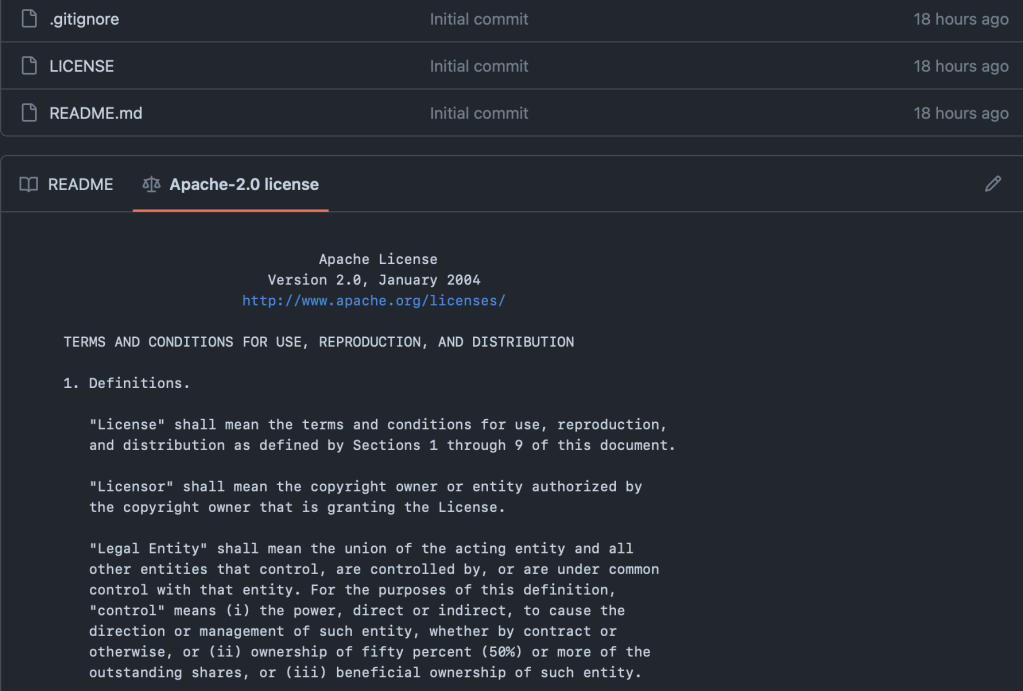
2. Apache License 2.0
Key Features: Similar to the MIT License in its permissiveness, the Apache License 2.0 also provides an express grant of patent rights from contributors to users. It requires preservation of the copyright notice and disclaimer.
Best For: Projects that want to provide an explicit patent license to protect contributors and users from patent trolls, making it a great choice for businesses and open-source projects alike.
3. GNU General Public License (GPL)
Key Features: The GPL is a copyleft license, which means that any derivative work must be distributed under the same license terms. This creates a legal requirement that modifications to the original work be open source as well.
Best For: Projects that want to ensure that all modified versions of the project remain open source, thus fostering a community of sharing and collaboration.
4. GNU Lesser General Public License (LGPL)
Key Features: The LGPL is similar to the GPL but less restrictive. It allows you to link to open source libraries without the requirement that the entire software be open sourced, provided that modifications to the LGPL-covered software itself are released under the LGPL.
Best For: Libraries that wish to be used in proprietary software, but still want to ensure improvements to the library itself remain open source.
5. BSD Licenses
Key Features: The BSD licenses are a family of permissive free software licenses. The most common are the 2-Clause and 3-Clause BSD licenses, which differ mainly in terms of a non-endorsement clause included in the 3-Clause.
Best For: Projects that prefer minimal restrictions on the redistribution of their software, allowing for both open source and proprietary use.
6. Mozilla Public License 2.0 (MPL 2.0)
Key Features: The MPL is a weak copyleft license that allows the code to be combined with proprietary files in the same project, unlike the GPL. Modifications to the MPL-covered code must be shared under the MPL, but the proprietary code can remain closed.
Best For: Projects that want to allow the code to be integrated with proprietary codebases while ensuring improvements to the open source code are shared.
Choosing the Right License
When deciding on the right license for your project, consider the following:
- Your Goals: Do you want to encourage wide usage and contributions, or do you want to ensure that all derivatives remain open source?
- Community Norms: Some communities have strong preferences for certain types of licenses.
- Compatibility: Make sure the license you choose is compatible with the licenses of any code your project depends on.
Conclusion
Choosing the right open source license is crucial for the success and growth of your project. It can affect how your project is used, modified, and distributed. By understanding the nuances of each license, you can make an informed decision that aligns with your project’s goals and values. Remember, the license you choose will set the tone for the community that builds around your project, so choose wisely!
Whether you’re launching a new project on a Git repository or considering re-licensing an existing one, the right open source license can ensure your project thrives in the ecosystem you want to support.
📚 Further Reading & Related Topics
If you’re exploring open-source licensing for your Git repository, these related articles will provide deeper insights:
• Mastering Dependency Management with Maven – Learn how to manage open-source dependencies in Maven, ensuring that your project adheres to licensing requirements while optimizing builds.
• Securing Your Development Environment: Best Practices for API Gateways – Explore best practices for securing open-source components in your project, including how to handle licenses when integrating third-party APIs into your Git repository.







 Scalable Human Blog
Leave a comment