
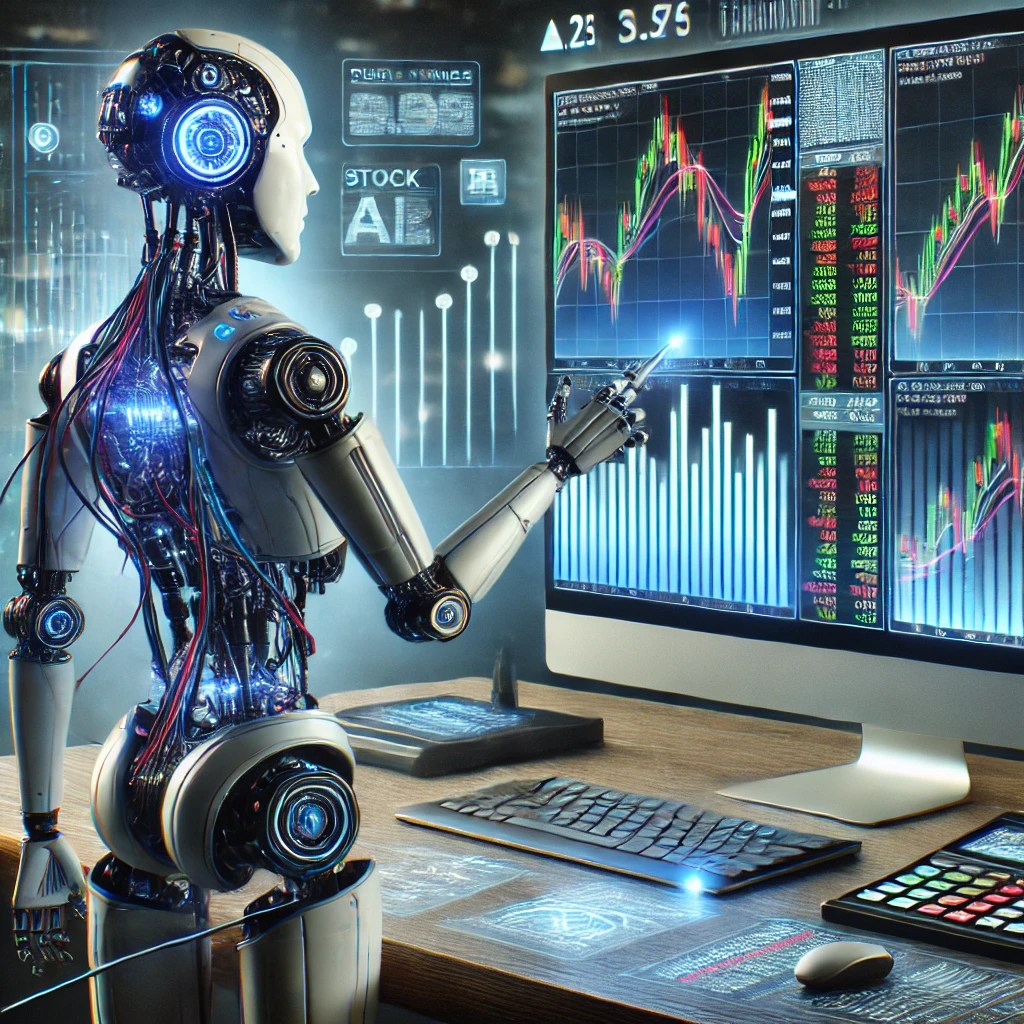
In today’s fast-paced financial markets, traders and developers alike are constantly seeking an edge. With advancements in artificial intelligence (AI), the future of trading platforms is looking more sophisticated, intuitive, and powerful than ever. Whether you’re a trader looking to optimize your strategies or a developer building the next-gen trading tool, AI is at the heart of the revolution. Let’s dive into the cutting-edge AI features poised to transform trading platforms.
1. Automated Trade Analysis and Insights
AI can now analyze vast amounts of historical and real-time market data to detect patterns, trends, and market sentiment. Imagine having a personal assistant that combs through data to give you detailed insights that would take hours, if not days, for a human to interpret.
For instance, AI could alert you to potential volatility around a stock like Tesla, citing upcoming earnings reports and a surge in news sentiment. This makes AI invaluable in not only spotting opportunities but also in explaining them in clear, easy-to-understand language, making it accessible even to non-experts.
2. Natural Language Query for Market Data
Picture a world where you can simply ask, “What’s the forecast for Tesla stock based on current market conditions?” and receive a detailed response tailored to your query. AI-powered platforms are moving towards natural language processing (NLP), allowing users to interact with data intuitively—no complex commands or coding required. This feature will democratize market access, empowering more traders to get involved.
3. Personalized Trading Strategies
Traders come in all shapes and sizes, and so should their strategies. AI can now offer personalized trading recommendations by analyzing an individual’s trading history, risk tolerance, and preferences. For example, it could suggest a diversified portfolio approach, highlighting sectors like technology and healthcare that fit your specific profile. This level of personalization will make trading both more effective and more engaging for individual users.
4. Sentiment Analysis from News & Social Media
In today’s world, sentiment can drive markets faster than ever. AI can scan social media, financial news, and forums, providing real-time sentiment analysis on assets you care about. For instance, a sudden bullish sentiment on Bitcoin might indicate an impending price surge following major institutional investments. Armed with this real-time insight, traders can make faster, more informed decisions.
5. Portfolio Optimization Suggestions
A key challenge for traders is keeping their portfolios balanced in an ever-changing market. AI can analyze your portfolio and suggest rebalancing strategies to optimize returns while reducing risk. For example, if your portfolio is too tech-heavy ahead of potential regulatory changes, AI might recommend diversifying into bonds or other sectors to mitigate risk.
6. Risk Management and Alerts
Market volatility is inevitable, but with AI, traders can stay ahead of the curve. AI can monitor your portfolio for heightened risks, sending timely alerts and recommendations on strategies to manage exposure. For example, if a stock you’re holding becomes too volatile, the AI might suggest setting up a stop-loss to protect your investment.
7. Trade Execution Assistance
Sometimes, it’s the little details that matter. AI can guide traders on the best way to execute trades, explaining the pros and cons of different order types like limit orders and market orders. This kind of hands-on support will help traders make informed decisions, especially in fast-moving markets.
8. Learning and Educational Content
AI can also serve as a mentor to new traders, offering educational resources and answering questions on everything from technical analysis to macroeconomic trends. Want to know how interest rates impact stock prices? The AI is there to walk you through it, providing a step-by-step guide.
9. Real-Time Trade Coaching
Imagine having a real-time coach advising you on the best moves as you trade. AI can offer actionable tips during live trading, helping you refine your strategies. It might suggest waiting for a market pullback or advise on scaling back positions to avoid unnecessary risks.
10. Backtesting of Strategies
Backtesting is critical for any trader looking to optimize their strategy. AI can simulate historical market conditions, allowing you to see how your strategy would have performed in different scenarios. For example, it could show that a proposed strategy would have yielded an 8.2% return over the last five years, helping you make data-driven decisions before investing real money.
11. Automated Reporting & Summaries
Traders are busy, and AI can save them time by generating automated reports summarizing performance, market conditions, and portfolio health. Whether it’s a daily, weekly, or monthly summary, AI can tailor the report to fit your specific needs. Imagine getting a snapshot of your trading week: 12 trades, a 4% net gain, and insights on which assets performed best.
12. Trade Automation & AI-Assisted Execution
AI can also assist in automating trading strategies, helping users set predefined buy/sell orders based on AI-generated signals. For example, if a stock like Apple often sees price jumps after earnings, AI could automate a buy order once the stock hits a certain threshold.
13. Voice-Activated Trading
Voice-activated trading allows users to execute trades hands-free. Imagine saying, “Buy 100 shares of Apple at market price,” and the AI seamlessly executes the order. This is just another way AI is making trading more accessible and efficient.
14. Enhanced Technical Analysis
Technical analysis is often complicated, but AI can simplify it by identifying patterns, indicators, and trends in real-time. If a head-and-shoulders pattern is forming, AI can alert traders to the potential for a bearish reversal, offering suggestions on how to capitalize on the trend.
Actionable Insights for Readers
As we look to the future, I encourage developers and traders alike to think about how AI can be integrated into their own workflows. What features would enhance your trading experience? What tools can be built today to meet tomorrow’s market demands? Keep an eye out for the next generation of AI-powered platforms, and perhaps, take the opportunity to start building your own.
📚 Further Reading & Related Topics
If you’re interested in AI-driven trading platforms and the future of algorithmic trading, these related articles will provide deeper insights:
• The AI Arms Race: Strategies for Compute Infrastructure and Global Dominance – Explore how AI advancements in trading platforms align with broader trends in compute power and financial technology.
• Navigating Algorithmic Trading Strategies: Risk, Reward, and Strategy Duration – Learn how AI-driven platforms optimize different trading strategies, improving execution efficiency and risk management.






 Scalable Human Blog
Leave a comment