
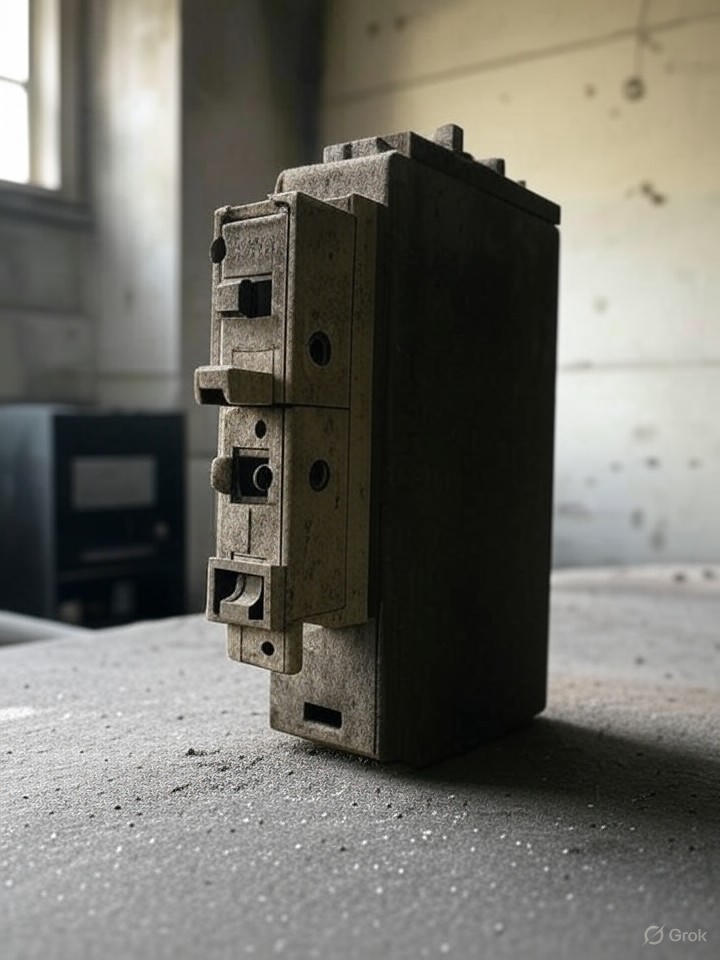
TL;DR: Circuit breakers in software are a lifesaving pattern that stop your application from hammering a failing service, preventing cascading failures and giving systems time to recover. Think of them as a safety switch for your app, just like in electrical systems.
Imagine you’re trying to call a friend whose phone is dead. You keep dialing, draining your battery, getting frustrated, and preventing them from fixing their issue. That’s exactly what happens when your application keeps sending requests to a failing service. It wastes resources, annoys users, and risks dragging your entire system down. In this post, we’ll dive into the circuit breaker pattern, a clever solution to this problem. You’ll learn how it works, why it matters in distributed systems, and how to implement it with ease.
Why Circuit Breakers Matter
In today’s world of microservices and distributed systems, dependencies are everywhere. One service going down can ripple through your application, causing delays, timeouts, and frustrated users staring at spinning loaders. Circuit breakers tackle this head-on by acting like a safety valve. They monitor failures and stop requests to unreliable services, protecting your app from cascading chaos. This concept, widely discussed by Martin Fowler in his seminal article on Circuit Breakers, is a cornerstone of resilient system design.
How Circuit Breakers Work
Circuit breakers operate in three distinct states, mimicking their electrical counterparts that prevent house fires by cutting off dangerous currents.
Closed State: Business as Usual
When everything’s fine, the circuit is closed. Requests flow normally to the service, and your app hums along. If failures start piling up, though, the breaker keeps track, ready to act.
Open State: Fail Fast
Once failures cross a defined threshold, the circuit opens. No more requests are sent to the failing service; instead, the breaker instantly returns an error. This “fail fast” approach, as Fowler notes in his Circuit Breaker explanation, prevents resource exhaustion and gives the troubled service breathing room to recover.
Half-Open State: Testing the Waters
After a timeout period, the breaker enters a half-open state. It allows a few test requests to check if the service is back on its feet. If they succeed, the circuit closes again. If not, it’s back to the open state. This adaptive recovery mechanism is key to maintaining system stability.
Implementing Circuit Breakers with Resilience4j
Putting this pattern into action is simpler than you might think, especially with libraries like Resilience4j in Java. Their detailed guide on Circuit Breaker implementation makes it a breeze. Here’s a quick example for a payment service:
CircuitBreaker circuitBreaker = CircuitBreaker.ofDefaults("paymentService");
Supplier<String> decoratedSupplier = CircuitBreaker
.decorateSupplier(circuitBreaker, () -> paymentService.processPayment());
String result = Try.ofSupplier(decoratedSupplier)
.recover(throwable -> "Payment service unavailable");
What’s beautiful here is what doesn’t happen. No endless waiting for timeouts. No cascading failures. When the payment service is down, you get an instant response and can show users a friendly error message instead of leaving them hanging. As outlined in the Resilience4j documentation, this setup also lets you configure thresholds, timeouts, and recovery intervals to match your needs.
Real-World Impact
Picture an e-commerce app during a Black Friday sale. Your payment gateway starts flaking out under the load. Without a circuit breaker, every checkout attempt hammers the gateway, slows your app to a crawl, and risks crashing other services. With a breaker in place, failed requests are caught early. Users see a quick “Service unavailable, try again later” message, and your system stays upright while the gateway team scrambles to fix things. Failing fast beats failing slow every time.
Key Takeaways
- Protect Your System: Circuit breakers prevent cascading failures by stopping requests to failing services, keeping your app stable.
- Fail Fast, Fail Smart: Quick error responses are better than slow timeouts; users appreciate clarity over endless waiting.
- Give Breathing Room: By halting requests, breakers allow struggling services time to recover without constant pressure.
- Easy Implementation: Tools like Resilience4j make adding circuit breakers straightforward, with customizable settings for your use case.
- Essential for Distributed Systems: In environments with independent service failures, breakers are a must-have for resilience.
Conclusion
Circuit breakers are more than a neat trick; they’re a vital shield for modern applications. They stop you from beating a dead horse, or rather, a dead service, saving resources and user goodwill in the process. Next time you’re building or debugging a distributed system, consider adding this pattern to your toolkit. Have you used circuit breakers before, or faced a cascading failure nightmare? Drop your thoughts in the comments; I’d love to hear your stories.
📚 Further Reading & Related Topics
If you’re exploring Circuit Breakers and the concept of handling failing services, these related articles will provide deeper insights:
• Strangler Fig Pattern in Microservices – This post explores the Strangler Fig pattern, which is relevant for incrementally replacing failing or problematic services with better solutions, complementing the discussion on avoiding overuse of failing systems.
• Why Putting an HTTP Call in Front of Every Service is a Bad Idea – This article discusses the pitfalls of over-relying on service calls, which ties into the circuit breaker concept of managing failures and preventing cascading issues in distributed systems.
• Deployment Patterns in Microservices – This piece covers deployment strategies for microservices, offering insights into building resilient systems that can prevent service overuse and failures as discussed in the context of circuit breakers.







 Scalable Human Blog
Leave a comment