
-
 Continue reading →: Exploring Containerization: Docker and Kubernetes for Java Applications
Containerization has revolutionized the way developers build, package, and deploy applications. By isolating applications and their dependencies into a single unit, containers offer a consistent environment across various stages of development, testing, and production. In this post, we’ll dive into how containerization can streamline development and deployment processes for Java…
-
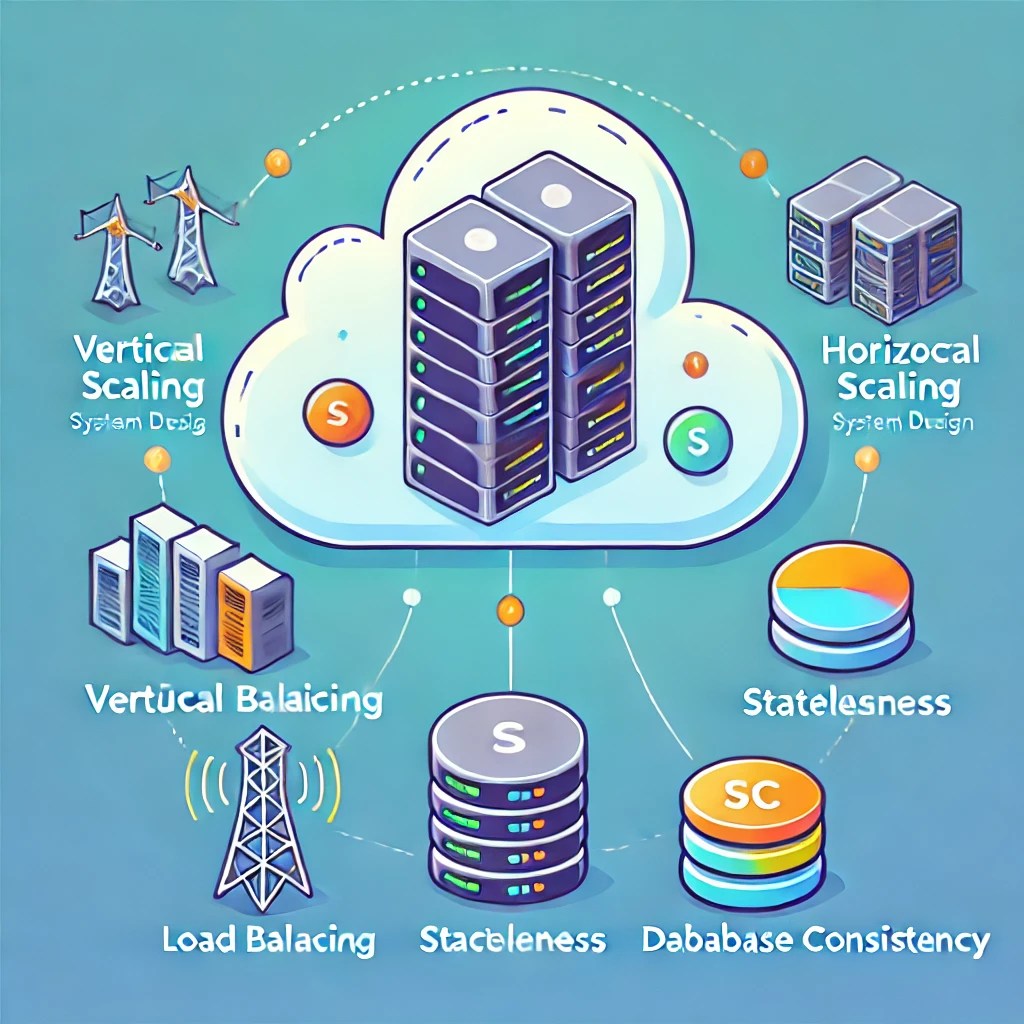 Continue reading →: Scalability Concepts A Friendly Guide for Software Developers (Estimated Read Time: 3 Minutes)
Scalability Basics:Scalability refers to a system’s ability to handle an increasing workload by adding resources. It’s crucial for systems expected to grow. Types of Scaling: Key Principles: Scalability in Cloud Platforms:In cloud platforms, standardization and “economy of scale” principles drive hardware design. Simply adding resources to a single instance of…
-
 Continue reading →: GitHub Copilot in the CLI: Your New Best Friend for Terminal Commands
Hey there, fellow devs! If you’re like me, you probably spend a fair amount of time in the terminal, juggling commands and sometimes struggling to remember the right syntax. Good news! GitHub Copilot, your AI-powered coding assistant, is now available in the CLI to make your life easier. Why Use…
-
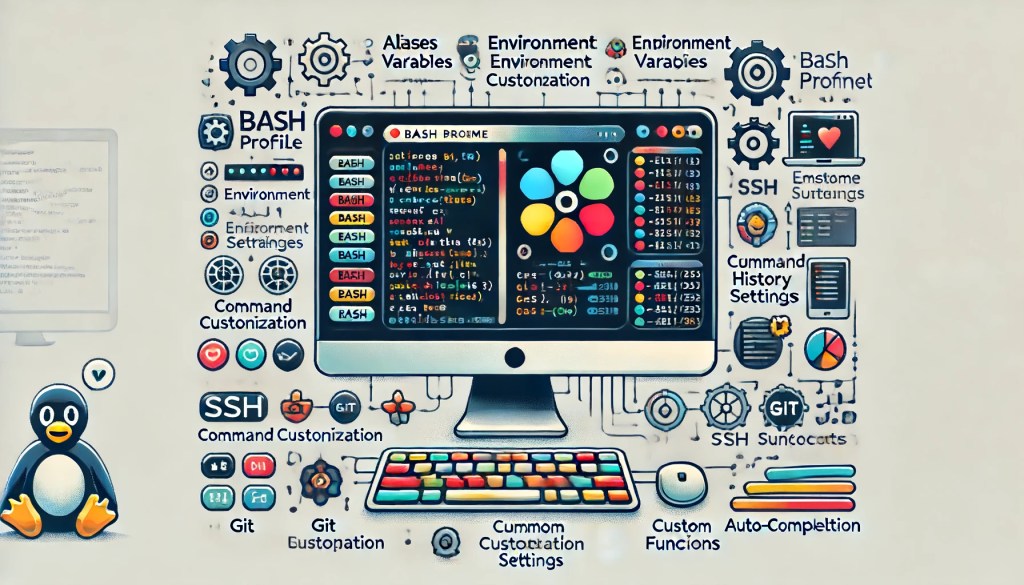 Continue reading →: Top 10 Best Bash Profile Configurations for Enhanced Productivity
When it comes to optimizing your workflow as a developer, having a well-configured .bash_profile can make a world of difference. Bash profiles allow you to customize your terminal environment, streamline your commands, and enhance productivity. Here are the top 10 best bash profile configurations that can help you work more…
-
 Continue reading →: Why GitHub Activity Graphs Can Be a Poor Measurement of a Software Engineer’s Experience
In the fast-paced world of tech recruitment, headhunters and hiring managers often seek quick indicators of a candidate’s skills and productivity. One such indicator is the GitHub activity graph, which visually represents a developer’s contributions over time. However, using this as a primary measure of a software engineer’s experience and…
-
 Continue reading →: Why Software Engineers Should Consider Staying Physically Active
As software engineers, we spend a significant portion of our workday seated at our desks. A typical 9-5 job, five days a week, equates to about 40 hours of sitting. This sedentary lifestyle can have profound effects on our health, both physically and mentally. Incorporating physical activity into our daily…
-
 Continue reading →: The Dichotomy of AI-Generated Unit Tests
In the realm of software development, the advent of AI technologies such as GitHub Copilot has sparked both excitement and apprehension. AI-generated unit tests, in particular, highlight a fascinating dichotomy: they offer unprecedented speed and efficiency but also raise significant concerns about the future of coding craftsmanship and the reliability…
-
 Continue reading →: Crack the Code: The Ultimate Guide to AI-Driven Prompt Engineering for Programmers
In the evolving landscape of software development, leveraging AI to streamline and enhance the coding process has become increasingly prevalent. One of the key skills in this domain is prompt engineering – the art of crafting queries and instructions to elicit precise and useful responses from AI. This blog post…
-
 Continue reading →: Automated Refactoring to Reactive Programming: A New Dawn for Asynchronous Java Code
Hello there, tech enthusiasts! Today, we’re diving into a fascinating paper titled “Automated Refactoring to Reactive Programming” by Mirko Köhler and Guido Salvaneschi from the Technische Universität Darmstadt. This paper explores a groundbreaking approach to refactoring asynchronous Java code into reactive programming, making software design cleaner, more extensible, and easier…
-
 Continue reading →: Reactive Programming with Spring Boot and Project Reactor
In recent years, reactive programming has gained popularity for its efficiency in handling asynchronous data streams and its non-blocking nature. Spring Boot, combined with Project Reactor, provides a robust framework for building reactive applications. In this blog post, we’ll explore the fundamentals of reactive programming, delve into Project Reactor, and…
-
 Continue reading →: Spring Boot vs. Quarkus: A TLDR Comparison
Spring Boot and Quarkus are two popular Java frameworks used for building modern, cloud-native applications. While both have their strengths and weaknesses, the choice between them can significantly impact your development process. Let’s dive into a quick comparison to help you decide which framework suits your needs best. Spring Boot…
-
 Continue reading →: How to Progress from Junior Engineer to Senior Engineer
Hey there! So, you’re looking to move up from being a junior engineer to a senior engineer, huh? That’s a fantastic goal, and I’m here to help you navigate that journey. Let’s break it down into some clear, actionable steps. 1. Enhance Your Technical Skills First things first, you need…
-
 Continue reading →: How to Get Your Remote Team Talking in Software Development Sessions
Hey there, remote team leaders! We know how challenging it can be to get everyone actively participating in your virtual meetings. It’s a common scenario: you ask a question, and then… silence. Everyone’s waiting for someone else to speak up, and in the end, no one does. It can be…
-
 Continue reading →: Adapting to the AI Revolution: Top 10 Jobs for Software Engineers
So, we’ve all heard the buzz: AI is coming, and it’s coming fast. Some folks are worried that AI will swoop in and automate everything, leaving us software engineers out in the cold. But guess what? I don’t buy it, and you shouldn’t either. Sure, the future might be a…
-
 Continue reading →: GraalVM vs JVM
In the world of Java and JVM-based languages, developers are always seeking ways to optimize performance, enhance flexibility, and reduce the complexity of deploying applications. Two prominent technologies in this space are GraalVM and the traditional Java Virtual Machine (JVM). Both have their unique strengths and cater to different needs.…
-
 Continue reading →: Embracing Modern Java: Strategies for Upgrading and Optimizing Enterprise Applications
As the digital landscape continuously evolves, enterprises face the need to update and optimise their application development strategies to stay competitive. This need brings Java into the spotlight with its recent updates and integration into modern development paradigies such as microservices and serverless computing. This blog post explores the critical…
-
 Continue reading →: Spring Into AI: Transforming Java Development with OpenAI and Spring Boot
In today’s rapidly evolving software landscape, the integration of Artificial Intelligence (AI) into mainstream development platforms is not just a trend but a necessity. Among the frameworks leading this integration is Spring Boot, which now offers built-in support for AI technologies, notably through OpenAI. This blog post delves into how…
-
 Continue reading →: Unraveling the Potential of Large Language Models: Opportunities and Challenges
The Rise of Large Language Models In the rapidly advancing field of artificial intelligence, Large Language Models (LLMs) stand out as pivotal innovations. These machine learning models are meticulously engineered to understand and generate text that mirrors human language, having been trained on extensive databases of text. Their remarkable ability…
-
 Continue reading →: Embracing Change: Four Years of Demystifying Tech
Introduction: The Evolving Landscape of Tech Blogging The digital age is relentless, surging forward with complex innovations and endlessly evolving technologies. As a passionate technophile and a dedicated blogger, I’ve witnessed firsthand the growing need for simplicity in our understanding of these complex systems. Four years ago, I embarked on…
-
 Continue reading →: Incorporating AI and Blockchain in IoT, Healthcare, and Supply Chain: A Comprehensive Overview
Blockchain technology and artificial intelligence (AI), specifically machine learning (ML), are reshaping various sectors with their potential to enhance security, efficiency, and transparency. The integration of these technologies in the Internet of Things (IoT), healthcare, and supply chain management promises transformative changes, addressing long-standing challenges and opening up new avenues…
Hello,
I’m Sean

Welcome to the Scalable Human blog. Just a software engineer writing about algo trading, AI, and books. I learn in public, use AI tools extensively, and share what works. Educational purposes only – not financial advice.
Let’s connect
Join the mailing list
Stay updated with latest posts.






 Scalable Human Blog