
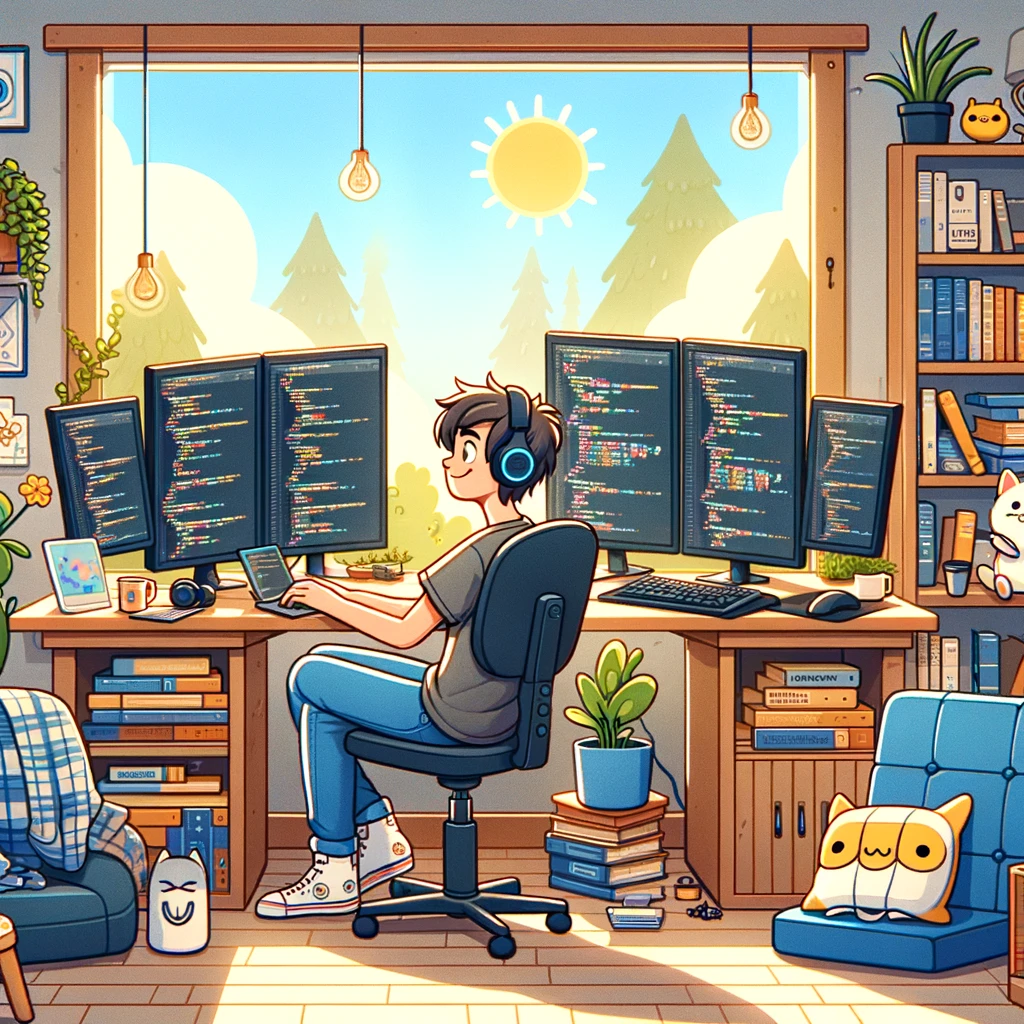
As a software engineer, programmer, or developer, the nature of the job extends beyond just writing code. It encompasses a journey of continuous learning, problem-solving, and creativity, which can have profound psychological benefits. While I am not a psychologist, my personal observations and experiences in the field have led me to recognize several ways in which being a software engineer can positively impact one’s mental well-being and cognitive skills.
Continuous Learning and Cognitive Growth
One of the most significant aspects of being in the tech industry is the constant need for learning. Technology evolves rapidly, and keeping up with the latest languages, tools, and methodologies is essential.
Mental Agility and Adaptability
- Keeps the Brain Active: Regular learning keeps the brain engaged and active, which is essential for cognitive health.
- Adaptability: Adapting to new technologies and problem-solving boosts mental flexibility, a crucial skill in and out of the workplace.
Problem-Solving: A Mental Workout
Every day, software engineers face a variety of problems that need creative solutions. This aspect of the job is much like a mental workout, strengthening cognitive abilities.
Analytical and Logical Thinking
- Enhances Critical Thinking: Regularly tackling complex problems enhances one’s ability to think critically and logically.
- Satisfaction in Problem-Solving: There’s a unique sense of satisfaction and fulfillment that comes from solving challenging problems, contributing to overall job satisfaction and mental well-being.
Creativity and Innovation
Contrary to the stereotype that coding is a rigid and monotonous task, software development is highly creative. Transforming an idea into a functioning application requires a great deal of creativity and innovative thinking.
Creative Fulfillment
- Encourages Creativity: Designing software solutions provides an outlet for creative expression.
- Innovation as a Motivator: The opportunity to innovate and create new things can be immensely satisfying and mentally rewarding.
Collaboration and Social Interaction
Software development often involves teamwork. Collaborating with others on projects can enhance social skills and provide a sense of community and belonging.
Teamwork and Communication
- Improved Communication Skills: Working in a team improves communication and interpersonal skills.
- Sense of Community: Being part of a team fosters a sense of belonging, which is important for mental health.
Overcoming Challenges and Building Resilience
The path of a software engineer is not without its challenges, but overcoming these obstacles can build resilience and a sense of accomplishment.
Resilience and Confidence
- Building Resilience: Navigating through tough projects and tight deadlines builds resilience.
- Boost in Confidence: Successfully overcoming challenges and seeing your work come to life boosts self-esteem and confidence.
Conclusion
The role of a software engineer is much more than just a job; it’s a mentally stimulating journey that offers continuous growth, problem-solving satisfaction, creative fulfillment, and opportunities for collaboration. These aspects contribute not only to professional development but also to psychological well-being. While these observations are from my personal experience and not from a psychological standpoint, it’s clear that the field of software engineering can offer profound mental and emotional benefits to those who pursue it.
📚 Further Reading & Related Topics
If you’re exploring the psychological benefits and challenges of being a software engineer, these related articles will provide deeper insights:
• Why AI May Never Fully Replace Programmers: The Human Element in Software Development – Understand why the human aspect of software engineering, including creativity and problem-solving, remains essential.
• Standing Up for Your Health: The Benefits of a Standing Desk for Developers – Learn how maintaining physical health can support mental clarity and productivity, addressing some of the psychological challenges of a software engineering career.








 Scalable Human Blog
Leave a comment