
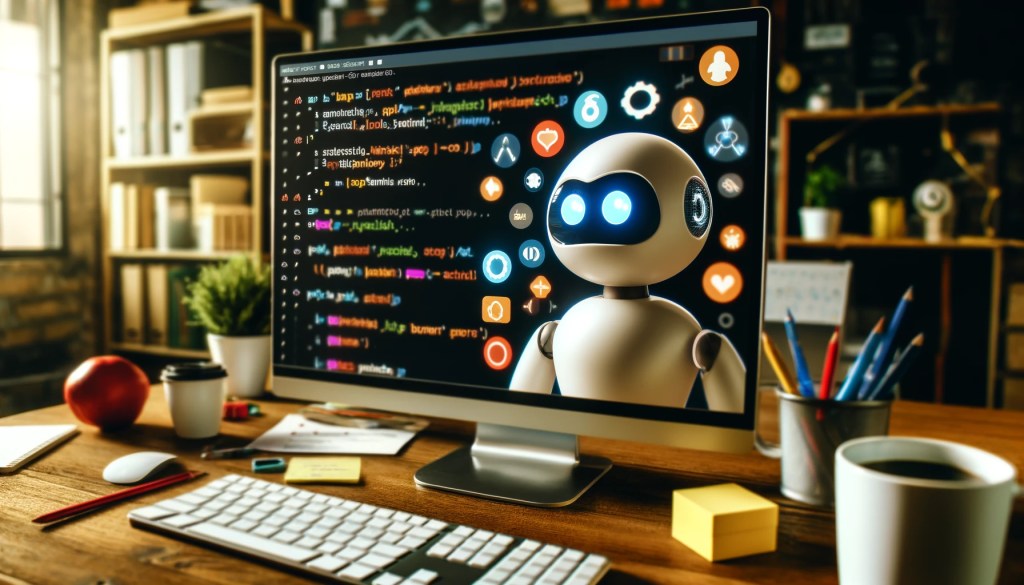
In the realm of software development, the advent of AI technologies such as GitHub Copilot has sparked both excitement and apprehension. AI-generated unit tests, in particular, highlight a fascinating dichotomy: they offer unprecedented speed and efficiency but also raise significant concerns about the future of coding craftsmanship and the reliability of software.
The Rise of AI in Unit Testing
GitHub Copilot, an AI-powered code completion tool, exemplifies the potential of AI in software development. By leveraging prompt engineering, developers can generate unit tests from their code swiftly. This capability is revolutionary, as it streamlines the process, allowing developers to focus more on feature development and less on the repetitive task of writing tests. However, this convenience comes with a set of challenges that must be addressed.
Beyond Test-Driven Development
Traditionally, Test-Driven Development (TDD) has been a cornerstone of robust software engineering. Writing tests before the actual code ensures that the code meets its requirements from the outset. However, with AI-generated unit tests, this paradigm is shifting. Developers can now generate tests post-development, which, while efficient, may lead to a lack of deep understanding of the underlying logic and implementation details. This shift could undermine the foundational principle of TDD, potentially resulting in code that, although tested, might not fully adhere to intended specifications or best practices.
The Need for Thorough Reviews
One of the primary concerns with AI-generated tests is the potential for developers to become overly reliant on them. This reliance can lead to a superficial understanding of the codebase, as developers may not fully engage with the logic and intricacies of their implementations. Thorough code reviews become even more critical in this context. Reviewers must meticulously verify the AI-generated tests to ensure they cover all edge cases and accurately reflect the intended functionality. Without this rigorous scrutiny, there’s a risk of deploying software with hidden flaws.
Balancing Speed and Craftsmanship
The allure of faster development cycles is undeniable. AI-generated tests can significantly reduce the time required to push updates and new features. However, this efficiency comes at the cost of potentially losing the “love” for crafting code. Developers may find themselves transitioning from being hands-on coders to becoming prompt engineers—experts in guiding AI to produce desired outputs. This shift is akin to a lower-level product owner who translates requirements into code, thus changing the nature of the developer’s role.
Embracing the New Role
To navigate this transition, developers must learn to embrace their new role as prompt engineers. This involves mastering the art of crafting precise and effective prompts to guide AI tools like GitHub Copilot. While this may seem like a departure from traditional coding, it requires a deep understanding of programming principles and logical structures. In this sense, prompt engineering can be seen as a natural evolution of the developer’s role, where the focus shifts to higher-level logic and design considerations.
The Verification Imperative
Despite the advancements in AI, complete trust in AI-generated outputs remains a distant goal. In industries where accuracy and accountability are paramount, such as finance or healthcare, the risk of AI errors can have severe consequences. Developers must, therefore, retain their critical thinking skills and rigorously verify AI-generated code. Object-Oriented Programming (OOP) and other established programming paradigms provide a human-verifiable framework that ensures the logical consistency and correctness of code.
Conclusion
The integration of AI in generating unit tests represents both a remarkable opportunity and a significant challenge. While it promises to accelerate development processes, it also necessitates a careful balance between speed and the traditional craftsmanship of coding. Developers must adapt to this evolving landscape by becoming adept at prompt engineering while maintaining a vigilant approach to code verification. As we move forward, the interplay between AI and human ingenuity will define the future of software development, demanding a nuanced understanding of both its potential and its limitations.
📚 Further Reading & Related Topics
If you’re exploring the role of AI in software testing, especially its potential benefits and pitfalls, you’ll also find these related articles insightful:
• Mastering Unit Testing in Spring Boot: Best Practices and Coverage Goals – Enhance your traditional testing approaches by following established best practices and guidelines for unit tests in Spring Boot.
• Lessons Learned from Software Engineering at Google: Insights from Programming Over Time – Gain deeper perspective on effective engineering practices, testing strategies, and how real-world experience shapes software reliability beyond automation alone.






 Scalable Human Blog
Leave a comment