
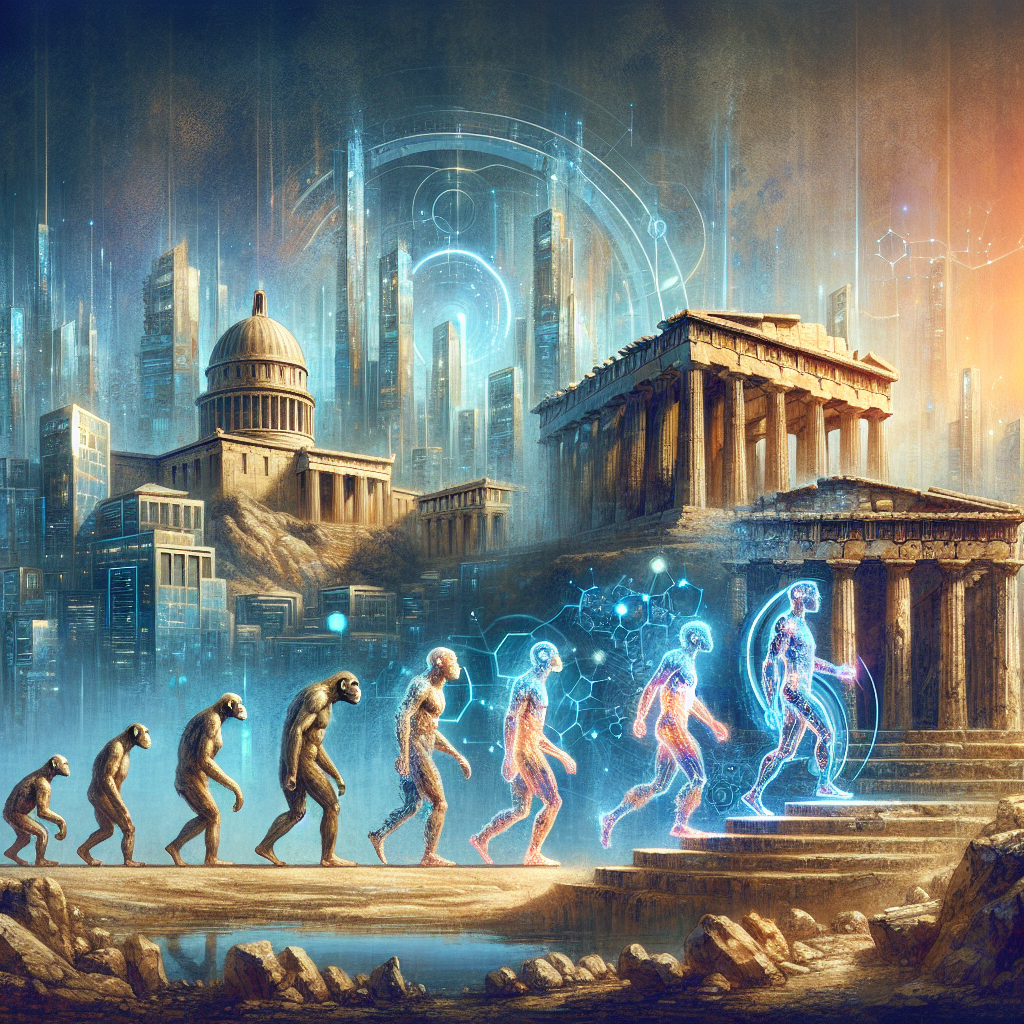
🚀 The Book in 3 Sentences:
Yuval Noah Harari takes readers on a sweeping journey through the history of our species, from the Cognitive Revolution to the present day, exploring how Homo sapiens came to dominate the planet. He examines the myths, ideologies, and structures—like religion, capitalism, and science—that have shaped human societies and driven progress. The book challenges readers to question the narratives we take for granted, offering both awe and discomfort at the trajectory of humankind.
🎨 Impressions:
Sapiens is a masterful blend of history, anthropology, and philosophy. Harari’s writing is both accessible and thought-provoking, making complex ideas digestible without oversimplifying them. What stood out most was his ability to connect seemingly unrelated topics—like the invention of money and the rise of empires—into a cohesive narrative about humanity’s shared myths. However, some parts felt speculative, especially when venturing into psychology or making sweeping generalizations about human behavior. Still, the book’s boldness and scope make it a must-read for anyone curious about how we got here.
⚡️ Who Should Read It?
- History buffs who enjoy big-picture narratives.
- Philosophers at heart who love questioning societal norms.
- Anyone curious about the origins of modern society and the forces shaping our future.
☘️ How the Book Changed Me:
Reading Sapiens shifted my perspective on humanity’s shared stories—like money, religion, and nations—and how they’ve been instrumental in uniting billions of people. It made me more aware of how much of our world is built on collective imagination rather than objective reality. I’ve found myself questioning the “truths” I’ve always accepted, from the value of currency to the concept of happiness.
✍️ My Top 3 Quotes:
- “You could never convince a monkey to give you a banana by promising him limitless bananas after death in monkey heaven.”
- “The ability to speak about fictions is the most unique feature of Homo sapiens.”
- “Happiness does not really depend on objective conditions of wealth, health, or even community. Rather, it depends on the correlation between objective conditions and subjective expectations.”
Additional Insights from Other Reviews
Chris Jack Hook’s review highlights how Sapiens excels at connecting humanity’s past with its future, particularly in its discussion of science and technology as tools for reshaping our species. He also points out Harari’s knack for making readers uncomfortable by confronting the darker sides of human progress—like colonialism and environmental destruction.
The blog She Seeks Nonfiction emphasizes Harari’s exploration of the Cognitive Revolution as a turning point that allowed Homo sapiens to dominate other species. The review also critiques Harari’s tendency to present his ideas as definitive truths, even when they’re speculative—an observation I hadn’t fully considered but now see in some of his broader claims.
Why You Should Read It Now
Sapiens isn’t just a history book; it’s a mirror reflecting humanity’s triumphs and flaws. It forces us to confront tough questions about who we are and where we’re headed. Whether you’re looking to understand the past or better prepare for the future, this book offers invaluable insights.
📖 Ready to dive in? You can grab your copy here: Sapiens on Amazon.
📚 Further Reading & Related Topics
If you’re exploring the history of humankind and insights from Sapiens by Yuval Noah Harari, these related articles will provide deeper insights:
• Unlocking Success: A Review of Way of the Wolf by Jordan Belfort – Explore how Harari’s exploration of human history intersects with modern concepts of influence, persuasion, and success, similar to the strategies discussed in Belfort’s book.
• The Price of Tomorrow: A Vision for Abundant Future – Book Review – Dive into how the themes of technological advancement and societal change in Sapiens are echoed in discussions about the future economy and AI-driven progress.








 Scalable Human Blog
Leave a reply to Dylan Cancel reply