

TL;DR:
MCP servers, built on the Model Context Protocol, offer a secure, standardized way for AI models to interact with enterprise tools and data. By acting as intelligent gateways, they enable scalable, compliant AI integration—without costly custom development or data exposure risks.
When it comes to integrating AI into enterprise systems, the challenge isn’t just building smart models—it’s connecting them securely and efficiently to the tools and data they need. That’s where the Model Context Protocol (MCP) comes in. This emerging open standard is changing how AI agents interact with their environments, allowing them to call external APIs, query databases, or even generate user interfaces—all through a consistent, secure interface.
In this post, we’ll explore what MCP is, how MCP servers work, and why they’re becoming essential infrastructure for enterprise AI. If you’re looking to move from isolated AI experiments to scalable, compliant solutions, this is a protocol worth knowing.
What Is MCP and Why Does It Matter?
At its core, MCP is a JSON-RPC-based protocol designed to enable communication between AI models and external systems. Instead of hardcoding integrations or exposing sensitive data, MCP provides a standardized way for models to send and receive contextual information through a secure server.
As Anthropic explains in their introduction to MCP, the protocol was created to solve a growing problem: AI models often need external knowledge or capabilities, but connecting them to tools or data sources has been complex, inconsistent, and risky. MCP aims to fix that with a clean, modular design.
How MCP Servers Work
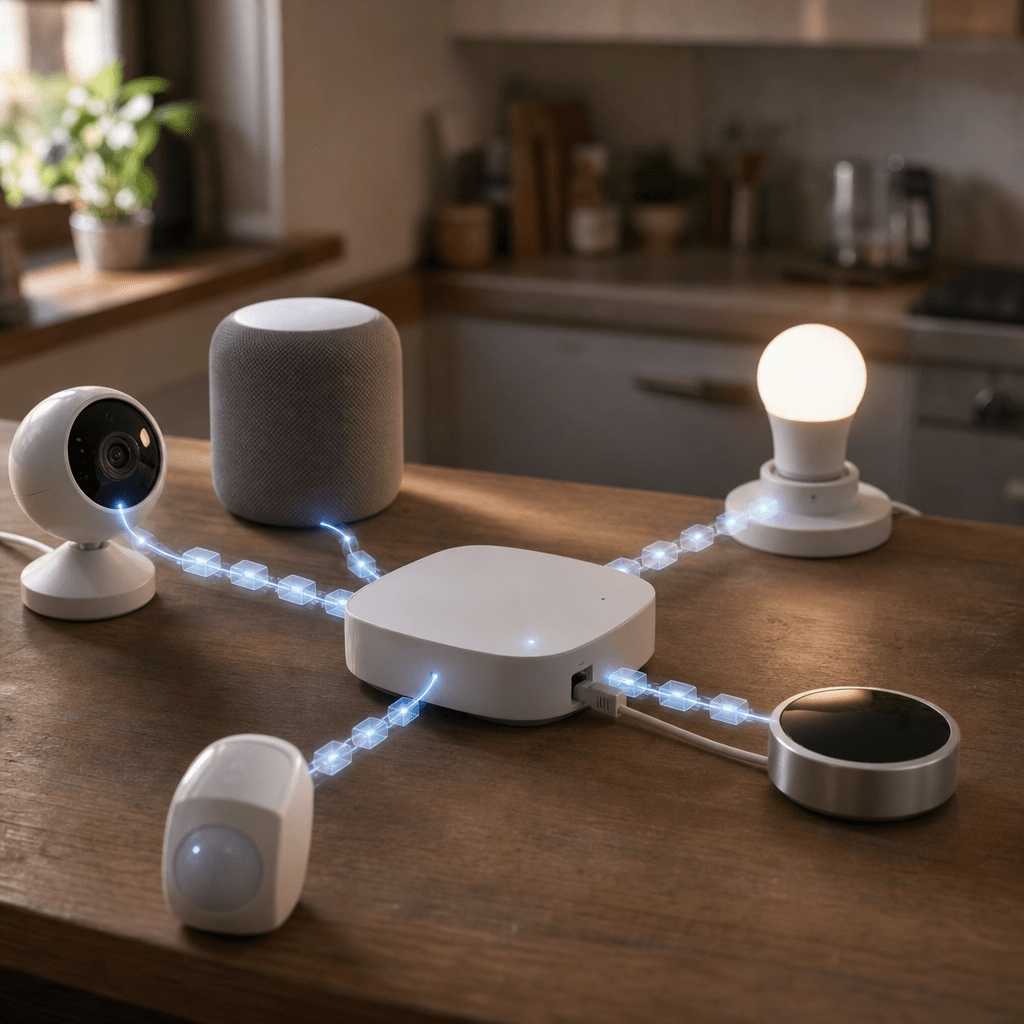
An MCP server acts as a gateway between an AI client (like a chatbot or agent) and external resources. Here’s how the flow typically works:
- The AI client sends a JSON-RPC request to the MCP server.
- The server parses the request and routes it to the appropriate tool, API, or data source.
- The external system processes the request and sends a response back through the server.
- The MCP server returns a context-enriched response to the AI, enabling it to make informed decisions or generate output.
This setup supports tool selection, real-time interaction, and security federation, making it ideal for enterprise use cases.
For example, SAP’s open-source UI5 MCP Server allows AI agents to generate UI code, access backend services, or even debug applications—all without writing custom glue code. This drastically reduces development overhead and accelerates AI adoption in software teams.
Why MCP Servers Are a Game Changer for Enterprises
Enterprises often struggle with AI integration due to fragmented tools, compliance concerns, and the cost of custom development. MCP servers address these pain points by centralizing and standardizing how AI connects to systems.
Here’s why that matters:
- Security and Compliance: MCP servers act as controlled interfaces, reducing the risk of data leakage and simplifying audit trails.
- Faster Integration: Teams don’t need to build one-off connectors; they can plug into the MCP server and go.
- Scalability: As new tools or APIs are added, they can be exposed to AI agents through the same interface.
- Agentic AI Enablement: By giving AI agents structured access to tools and data, organizations can unlock autonomous workflows that actually work.
In data-heavy environments, MCP allows AI to query systems precisely—without exposing entire datasets. In development teams, it enables AI to assist with coding tasks, UI generation, and more, as shown in SAP’s implementation.
Key Takeaways
- MCP is a standardized protocol that enables secure, bidirectional communication between AI models and external tools.
- MCP servers act as intelligent proxies, handling requests, routing them to resources, and returning enriched context.
- Enterprise benefits include improved security, reduced dev time, and scalable AI integration.
- Open-source implementations like SAP’s UI5 MCP Server make it easy to experiment and deploy.
- MCP supports agentic AI, empowering models to act on behalf of users with real-time access to tools and data.
Conclusion
MCP servers are quietly becoming the backbone of intelligent, integrated AI systems. By bridging the gap between models and enterprise tools, they enable organizations to move beyond isolated pilots and toward scalable, secure AI ecosystems.
If you’re exploring AI integration, start with an open-source MCP server. It’s a low-risk way to test how your agents can interact with real-world systems—without reinventing the wheel.
Curious how MCP could fit into your stack? Dive into Anthropic’s detailed overview or explore SAP’s hands-on guide to their UI5 MCP Server. Then, consider how this protocol might help you unlock the full potential of AI in your organization.
📚 Further Reading & Related Topics
If you’re exploring secure AI integration in enterprise environments with MCP Server, these related articles will provide deeper insights:
• Enhancing Spring Boot Applications with OpenAI ChatGPT – This post explores how to integrate OpenAI’s ChatGPT with Spring Boot applications, offering practical techniques that align with enterprise-level AI integration strategies.
• Understanding Key Certificates in Microservices – A deep dive into managing certificates in microservices, which is critical for ensuring secure communication in AI-enabled enterprise systems like those built with MCP Server.
• SSL vs TLS in Spring Boot Applications – Learn how to configure SSL and TLS in Spring Boot, a key component of securing AI integrations in enterprise architectures.



 Scalable Human Blog
Leave a comment