-
 Continue reading →: Java 11 String Methods: A Closer Look at New Additions
Java 11, released in September 2018, marked an exciting time for developers working with strings. This version introduced some significant changes, making string manipulation easier, more efficient, and readable. In this post, we’ll explore four new string methods: isBlank(), strip(), repeat(), and lines(), providing insights into their usage and advantages.…
-
 Continue reading →: Java 11 HTTP/2 Client: A Step Forward in Web Communication
Introduction With the advent of Java 11, a new HTTP/2 Client API was introduced that brought significant improvements to Java’s ability to communicate with web servers. HTTP/2 is the second major version of the HTTP network protocol, used by the World Wide Web. This new API was designed to be…
-
 Continue reading →: Java 10 Accelerating Java Applications with Application Class-Data Sharing
Greetings, dear reader! In this post, we’ll delve into one of the key features introduced with Java 10 – Application Class-Data Sharing (AppCDS). This feature aims to increase the startup speed of Java applications and reduce their footprint. For those accustomed to the performance nuances of the Java ecosystem, AppCDS…
-
 Continue reading →: Java 10 Embracing Local-Variable Type Inference
One of the most significant enhancements introduced in Java 10 was the addition of local-variable type inference, which allows developers to declare local variables without specifying their type. In this blog post, we’ll explore the var keyword, which makes this feature possible, and delve into how it can streamline your…
-
 Continue reading →: Java 9 Navigating Stream API Enhancements
Java 8 introduced the revolutionary Stream API, bringing functional-style processing to Java. In Java 9, this API saw significant enhancements that provide more power and flexibility to developers. This blog post dives into the improvements and demonstrates how to utilize them effectively in your Java applications. The Stream API Enhancements…
-
 Continue reading →: Java 9 Exploring JShell: The Interactive Java REPL
Java 9 introduced a tool that revolutionized how Java developers experiment with their code: JShell. This interactive shell, also known as REPL (Read-Eval-Print-Loop), enables Java developers to execute arbitrary Java code snippets without the need for wrapping them in classes or methods. In this post, we’ll explore JShell and how…
-
 Continue reading →: Java 9 Project Jigsaw: Ushering in Modularity with the Java Platform Module System
With the release of Java 9, the Java community was introduced to a new level of programming experience with the Java Platform Module System (JPMS), also known as Project Jigsaw. The advent of this feature revolutionised the way Java applications are developed and deployed, bringing the concept of modularity to…
-
 Continue reading →: Java 8 Leveraging Java’s Optional: A Better Way to Handle Null
Since its release in Java 8, the Optional class has been a game-changer for handling nulls in Java. Before Optional, dealing with null references was a notorious source of bugs, leading to the dreaded NullPointerException that every Java developer is familiar with. In this blog post, we’ll explore the purpose,…
-
 Continue reading →: Java 8 Understanding Default Methods in Java: Enhancing Interfaces
With the release of Java 8, a new feature called “Default Methods” was introduced to Java interfaces. This powerful feature has significantly influenced the way we design and utilize interfaces in Java. In this blog post, we’ll explore what default methods are, why they were introduced, and how we can…
-
 Continue reading →: Evolution of Java: An Overview of New Features from Java 8 Onwards
Java, a class-based, object-oriented programming language, has been a cornerstone of enterprise applications for decades. With each new version, Java introduces enhancements, new features, and performance optimizations to meet the evolving demands of modern software development. In this blog post, we’ll look at the major new features introduced in each…
-
 Continue reading →: Navigating Java Version Upgrades for Your Spring Boot Application
Java, the long-standing, versatile player in the world of programming languages, periodically releases new versions that bring about fresh features, enhanced performance, and better security. As a result, it’s crucial to keep your Spring Boot application updated with the latest Java version. However, moving to a newer Java version isn’t…
-
 Continue reading →: Managing Stateful Applications with Kubernetes StatefulSets
Managing Stateful Applications with Kubernetes StatefulSets Hello and welcome back to our Kubernetes journey. Today, we’re diving into StatefulSets, a key component in Kubernetes for managing stateful applications. We’ll explore what StatefulSets are, how they differ from Deployments, and why they are crucial for managing stateful applications in Kubernetes. Understanding…
-
 Continue reading →: An Introduction to Kubernetes Ingress: Managing External Access to Your Services
Welcome back, readers! Today, we delve into the world of Kubernetes Ingress. As we discuss what Ingress is, its importance in managing external access to services, and setting up and configuring Ingress resources, you’ll see how critical this component is to your Kubernetes architecture. Understanding Kubernetes Ingress In Kubernetes, Ingress…
-
 Continue reading →: Working with Kubernetes Services: Your Guide to ClusterIP, NodePort, LoadBalancer, and ExternalName
Hi there, dear readers! In today’s post, we’ll dive into the realm of Kubernetes Services. If you’re trying to wrap your head around how your Kubernetes components talk to each other and to the outside world, you’ve come to the right place. What’s a Kubernetes Service, Anyway? A Kubernetes Service…
-
 Continue reading →: A Step-by-Step Guide to Creating a Kubernetes Deployment
Hello, explorers of the digital cosmos! In our ongoing exploration of Kubernetes, today we’re going to dive deep into the process of creating a Kubernetes Deployment. Deployments are foundational to managing our apps on Kubernetes, and understanding them is key to unlocking the platform’s full potential. Buckle up as we…
-
 Continue reading →: Monitoring Kubernetes: An Introduction to Key Tools
Greetings, fellow tech explorers! Having tackled troubleshooting Kubernetes deployments in our previous post, it’s time to step into the fascinating world of monitoring Kubernetes. Proper monitoring is pivotal for any system’s health, and Kubernetes is no exception. In this post, we’ll dive into some of the key tools that can…
-
 Continue reading →: Troubleshooting Common Issues in Kubernetes Deployments
Hey, tech explorers! Today, let’s play detectives and dissect some common issues that might pop up in Kubernetes deployments. We’ll also arm ourselves with the know-how to troubleshoot these problems. Buckle up and get ready for some problem-solving action! The Usual Suspects: Common Issues 1. Pods in Pending State When…
-
 Continue reading →: Understanding Kubernetes Deployment Strategies
Greetings folks! In the thrilling realm of Kubernetes, deployment strategies play a crucial role in managing and maintaining the lifecycles of our applications. Today, let’s unwrap these strategies, and explore their significance, understanding how they can help us seamlessly update our applications with zero downtime. Let’s dive in! Defining Kubernetes…
-
 Continue reading →: Introduction to Kubernetes Deployments
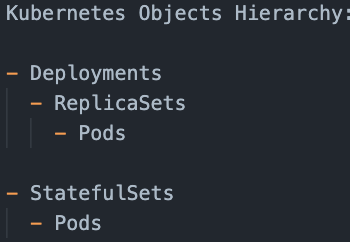
Hello, wonderful people! Welcome back to another journey through the fascinating realm of software engineering. This time, our vessel will take us across the open seas of Kubernetes, particularly focusing on a significant part of this landscape: Deployments. You may wonder: Why bother with Deployments? Why not just use Pods…
-
 Continue reading →: Creating a Maven Project: Your Step-by-Step Guide
Ever wondered how to kickstart a new project with Maven? Maybe you’ve heard of archetypes but are unsure how to use them? Don’t worry, I’ve got you covered! In this post, we’ll walk through the process of setting up a new Maven project, exploring the power of archetypes along the…
Hello,
I’m Sean

Welcome to the Scalable Human blog. I’m a software engineer who likes building things, from software and AI tools to robots, Raspberry Pi projects, smart-home systems and energy monitoring. I learn in public, experiment with technology and share what I discover along the way.
Let’s connect
Join the mailing list
Stay updated with latest posts.